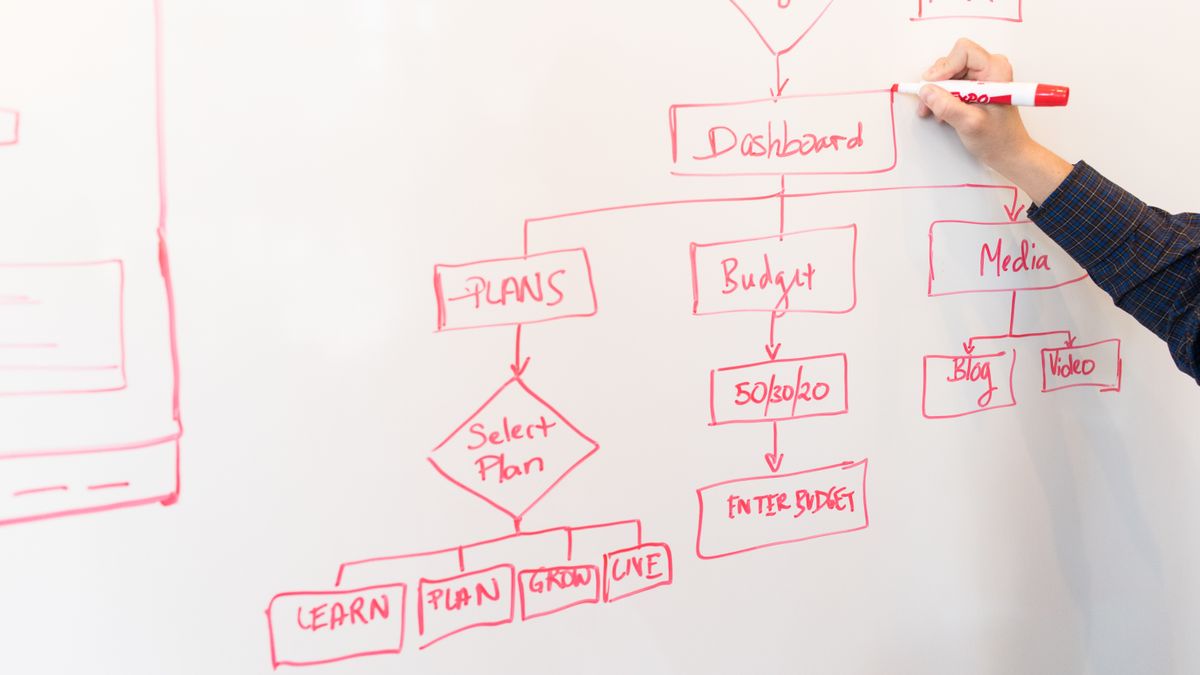
Start With a Programme That Changes How Work Runs
A process management initiative kicks off with real energy: workshops booked, diagrams drawn, a repository stood up. The programmes that deliver treat process management as an operating discipline, so the repository shapes how the organisation runs long after the workshops end.
Keeping a Model in Step With a Moving Organisation
A diagram captures a process at the moment it was drawn. The organisation keeps moving afterwards: roles change, systems get replaced and exceptions accumulate. A plan for keeping the model current means the diagram and the actual process move together, and audits, incidents and new hires find the documented steps match what happens.
A diagram represents intent at a point in time. Pairing it with a way to keep pace with change is what makes it useful for the long term.
What a Working Process Discipline Needs
Process management earns its name when it covers the full cycle: discovery of what is happening, design of what should happen, optimisation as conditions change and automation of the parts that no longer need a person. Many programmes concentrate on design and produce a target-state diagram. Adding discovery shows whether the target state matches reality, and adding optimisation keeps it matching over time.
The organisations that get this right treat process data as a live asset. They capture how work moves through the business as well as how it was intended to, and use that data to spot where roles overlap, where a handoff routinely slows or where a control is weaker in practice than in the documentation.
From Description to Intelligence
That is the step from process documentation to process intelligence. Documentation describes a process once. Process intelligence keeps observing it and shows where the model and the reality have diverged, before that becomes an audit finding or an operational issue. A model-first organisation treats its process repository as the authoritative, living source.
The next time a process management initiative is funded, a good question to ask before the first workshop is booked: will this programme produce a live model of how the organisation operates, kept current over time? We can help you plan for that.