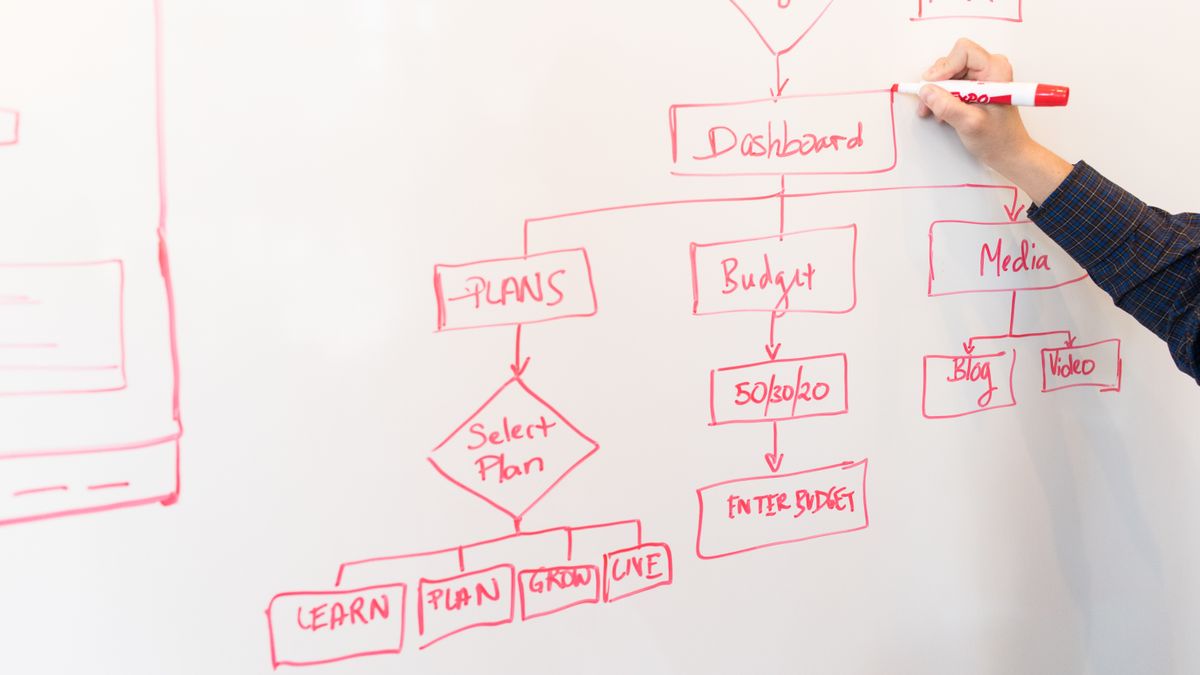
Where the Opportunity Hides
Every business has processes nobody has questioned in years: a manual approval chain that grew one exception at a time, a handoff between teams that only one person fully understands, a reporting task redone by hand every month because nobody trusts the automated version. None of these show up as a line item on a report. They show up as delivery pace, deadlines and margin, and each one is a chance to give time back.
Why These Processes Stay Out of View
Undocumented, manual or inconsistent processes stay out of view because each is managed locally, by whoever inherited it, using whatever workaround keeps it running. The opportunity sits in the processes an organisation stopped looking at once they seemed to work.
A one-off documentation exercise helps, and it is strongest when the model stays current. A diagram produced once tells you what the process looked like on the day, so the aim is a model that keeps pace with the process actually running.
Closing the Gap
Getting clarity means being able to see, model and act on the full picture: which tasks are repetitive enough to automate, where visibility across a workflow is missing, where compliance and audit readiness depend on evidence nobody is capturing yet, and where delivery could be standardised while keeping the flexibility the business needs. A process intelligence platform gives an organisation that connected picture.
Automating the repetitive parts of a workflow saves time and also frees the people running that process to spend their attention on the judgement calls that need it.
The Route to Confident Growth
In uncertain conditions, healthy processes are a direct support for sustainable growth, because each one you understand is one less workaround to maintain by hand. Scaling with confidence means scaling on a process foundation you can see.
A good first question for your team: which processes are still running on a workaround someone improvised two years ago? That is where to look first, and we can help you find it.