Measure how the process runs, from the logs your systems already generate.
Process mining reconstructs the process as it runs from your event logs, exception paths, rework and delays included, so improvements start from measured evidence.
The difference between the documented process and the measured one can be put in money terms.
A proof-of-value analysis can put a number on things that were not visible in reporting until the logs were mined.
See when invoices are paid against their terms, and what earlier or later payment means for monthly working capital.
See how often orders change and how that affects delivery times, so you can target the cause.
Trace penalties and fines from unpaid orders back to the process step that causes them.
Most of the reasons teams give for not mining their processes are misconceptions, not blockers.
The event logs your systems already generate, the record of every timestamp, device, user, and outcome, are the backbone of process mining. The barrier is rarely the technology. It is what teams assume about their own logs before checking.
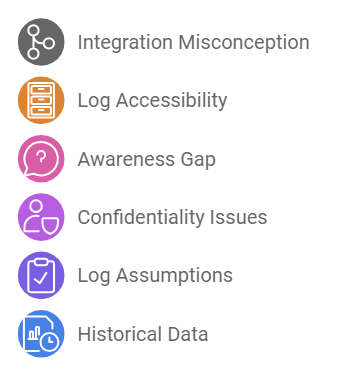
“We'd need fully integrated systems first.”
Process mining works from the logs individual systems already produce. Integration is not a precondition.
“Our logs are confidential.”
Logs record events, not the content of what was processed. Confidentiality concerns are usually a misunderstanding of what a log contains, not a reason to stop.
“We'd need complete, end-to-end history.”
A representative slice is enough to start. Waiting for a complete historical record delays a finding that could be available now.
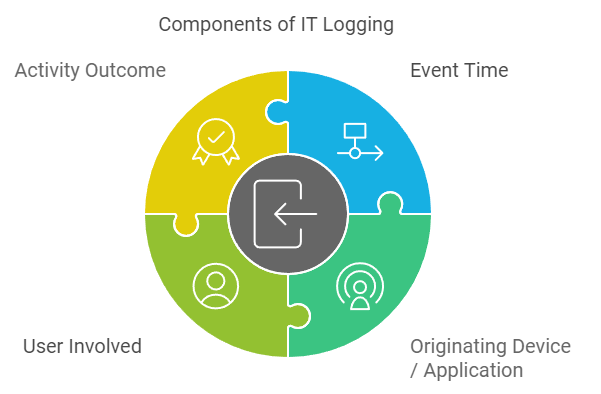
Four components, recorded automatically, whether anyone reads them or not.
Every IT log, on-premises or in the cloud, records the same four things: what happened, when, who or what triggered it, and where it came from. That's the raw material process mining reconstructs the real process from.
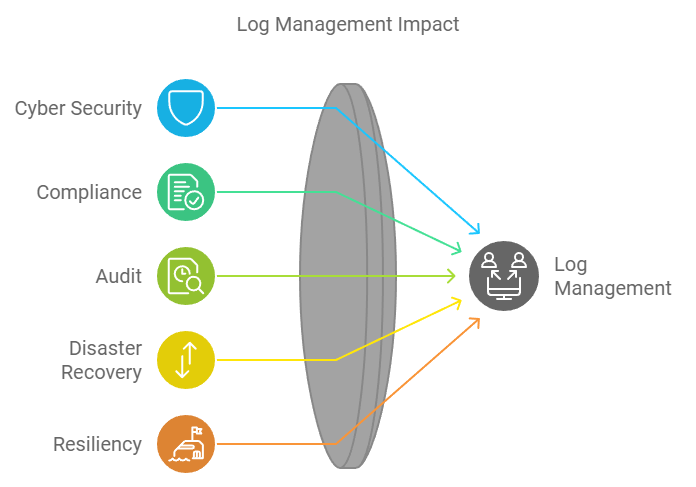
Pay for the transaction log volume you mine, not a standing contract.
Discovery, design, and mining can each run standalone. Mining typically runs first: a scoping call, the data or files, then a feedback session that names what the logs actually show.
Frequently asked questions
Do our systems need to be integrated first?
No. Process mining works from the logs individual systems already produce. Integration between systems is not a precondition.
Is this a one-off analysis or an ongoing capability?
It is commissioned by the transaction log volume you mine, not a standing contract, so it can run as a one-off proof of value or repeat as an ongoing capability.
How much historical data do we need?
A representative slice is enough to start. Waiting for a complete, end-to-end historical record delays a finding that could already be available.