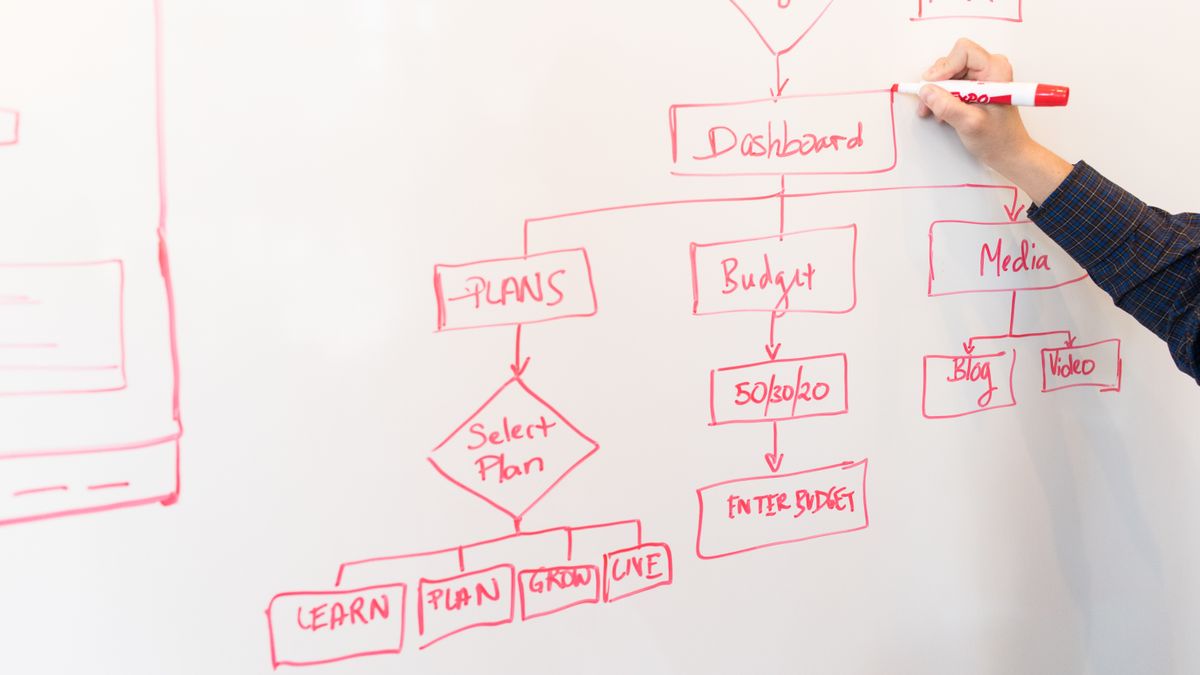
A Diagram Is the Start of a Process Model
A business draws a process, files it in a repository and calls it managed. The diagram captures the shape of a workflow at the moment someone drew it. Adding who is accountable when a step fails, which system a change to that step will touch and which policy governs the decision at each branch turns it into a model the whole organisation can use.
Small and medium enterprises can move fastest here. With a smaller estate, they can connect documentation to what people know quickly, without a multi-year programme.
Three Habits That Hold Process Management Back
Three patterns show up repeatedly, and each has a straightforward remedy.
Documentation as the finish line. Teams invest in capturing workflows as diagrams and treat that as the deliverable. A diagram is a snapshot. Adding a way to keep it current when a policy changes or a role is reassigned turns it into a living asset.
Relationships left out. Successful process management depends on understanding how resources, people, technology and policy interconnect. Traditional documentation shows boxes and arrows. Adding ownership, risk and control mappings lets impact questions be answered from the model instead of from someone’s memory.
Information in silos. Process content typically lives across separate tools: one for diagrams, another for risk registers, another for SOPs. Bringing them together gives one picture in place of several partial ones.
Choosing an Approach That Fits
The instinct is to buy a bigger suite. Enterprise-grade platforms are built for organisations that can dedicate a team to running them, so for many organisations a lighter route, built on the content you already have, is the better fit.
What Closes the Gap
A process intelligence platform reconciles the relationships between resources, people, technology and policy into one model, so a question about impact or ownership can be answered from the model itself. Unified data management keeps every team working from the same source of truth, and that shared view makes collaboration and audit faster, because nobody reconstructs the picture from disconnected systems.
Making that capability accessible without a dedicated team is what puts it within reach of the organisations that would benefit most.
If your process diagrams are current and you want answers in seconds instead of a meeting, that is the step to take next, and we can help.